

Drive Safe, Drive AssuredNot a U.S. government website. AutoAssures.com is not an insurance company.Compare auto insurance rates from licensed Insurance Partners, free.Need help? Call (877) 252-7926

Coverage for households with several drivers and cars

When a household has more than one driver and more than one car, the policy gets more moving parts. Who drives which car, who needs to be listed, and how discounts apply can all change both the price and the protection.

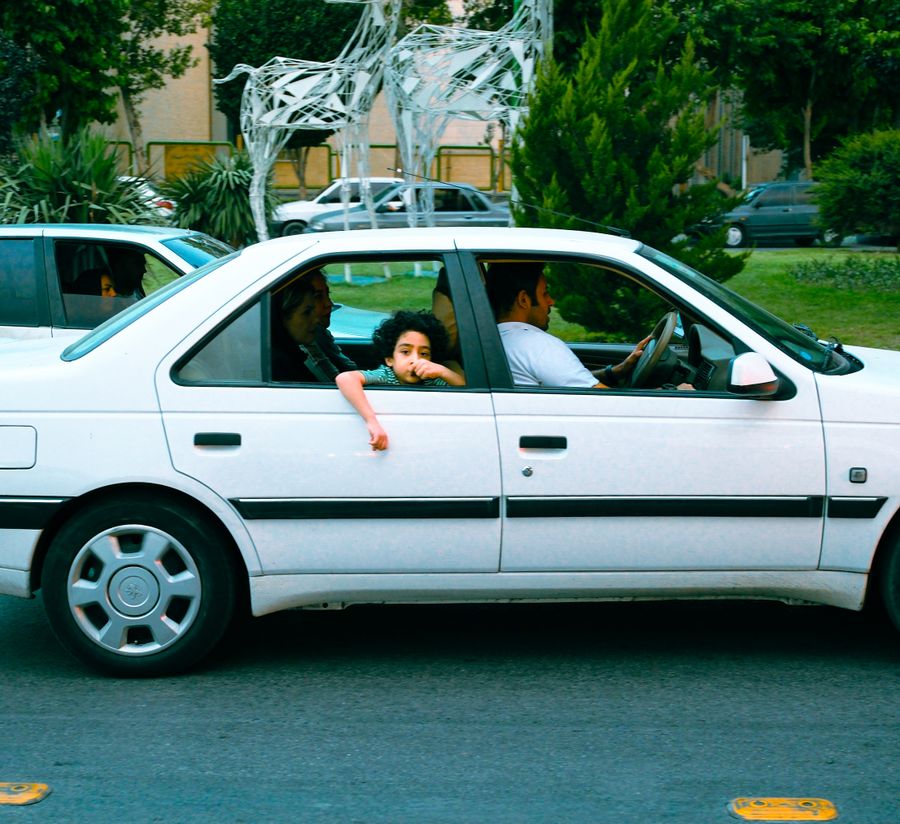
Family driving in white sedan on urban street
Free to useNot an insurer
A good time to compareWhen a driver or car joins or leaves the household
Have this readyEvery driver's license number, each VIN and recent tickets or claims
Watch out forUnlisted household drivers who use the family cars regularly
Often addedMulti-car discounts, higher liability limits and an umbrella policy

When this comes into play

Several drivers, several cars. A few everyday situations where it matters, described in general terms. Your policy wording and state rules decide the details.

A diverse team collaborating in a modern office setting, focusing on a project
01

A college student comes home

Your son is home for the summer and borrows the family car daily. If he's still listed on your policy, that's usually fine, but if you removed him while he was away, call your insurer before summer driving starts.

02

A roommate who drives your car

Your roommate uses your car a few times a week for errands. Many insurers want regular household drivers listed on the policy, so ask how your insurer handles a roommate who isn't a relative.

03

An aging parent moves in

Your father moves in and brings his car, and you each sometimes drive the other's vehicle. Combining onto one policy might make sense, or keeping them separate might. Comparing both setups shows the difference.

04

A driver with a recent ticket

Your spouse got a speeding ticket last year, and it affects the household price. Some insurers weigh a single ticket more heavily than others, so the difference between companies can be larger than you'd expect.

Why a busy household changes your coverage decisions

A household policy covers a mix of people, cars and habits. You might have two parents with long commutes, a teen with a new license, a college student who drives only at holidays, and an older car that mostly sits in the driveway. Each piece affects the price, and each one affects how well everyone is protected.

It's easy for a household policy to drift out of date. A teen who went away to college, a car that was sold last spring, or a partner who moved in last year can all leave the policy describing a household that no longer exists.

The coverage decisions matter because the limits on a single policy protect everyone on it. With more drivers, there are more chances for a claim, and the liability limits are guarding the whole household's savings. Getting the details right also matters when a claim happens. An insurer may question a claim if a regular driver was never listed.

Who must be listed varies by insurer and state. Generally, licensed people who live with you and could drive your cars need to be disclosed, and in some places a driver can be excluded in writing.

The coverage choices that matter most

For a household with several drivers and cars, look closely at:

  • Liability limits: with more drivers, many households choose limits well above the state minimum
  • Driver assignments: which driver is listed as the main user of each car can affect the price
  • Collision and comprehensive, car by car: an older car might not need the same coverage as a newer one
  • Uninsured and underinsured motorist: protects every family member, in or out of your cars
  • Umbrella policy: extra liability protection above your auto and home policies, for households with more to protect

It also helps to think about how the cars are really used. A car that one person drives to work every day and a car that mostly runs weekend errands don't carry the same risk, and some insurers price that difference through mileage or telematics programs.

Sunny urban street with colorful buildings and parked cars

How to compare offers fairly, and what drives the price

Ask every partner to quote the same drivers, cars, limits and deductibles. Then ask about variations, such as dropping collision on the oldest car or raising liability limits for everyone.

Each insurer prices households differently. Multi-car and multi-policy discounts are common, but the amounts and rules vary. Some insurers weigh a young driver or a recent ticket more heavily than others, and some let you assign the youngest driver to the least expensive car to insure. Driving records, ages, vehicles, ZIP code, annual mileage and, where allowed, credit-based factors all play a part.

Sometimes one policy isn't the right answer. A household with one high-risk driver might compare a combined policy against separate policies. The only way to know is to ask for both and compare the totals.

Timing, and what happens after you submit the form

Good times to compare are when someone gets a license, moves in or out, buys or sells a car, or when your renewal comes around. How soon you must report a new driver or vehicle depends on your insurer and state, so ask your current insurer before a change takes effect rather than after.

Before the partners call, gather license numbers and dates of birth for each driver, the VIN for each car, and details of any recent tickets or claims. That makes the quotes more accurate and the comparison easier.

When you're ready, fill in the AutoAssures form once for the whole household. The request goes to up to four licensed partners that write auto policies in your state, and they contact you with quotes. Not every partner is available in every state. It's free to use, and there's no obligation to switch or to buy anything.


Questions to ask every partner

Ask each one the same questions, and write the answers down side by side. It's the quickest way to compare fairly.

  1. How do you decide which driver is assigned to each car?
  2. Which multi-car or bundling discounts would apply to our household?
  3. Can a household driver be excluded, and what does that mean?
  4. Would dropping collision on our oldest car change the price much?
  5. Do you offer an umbrella policy alongside the auto policy?
TipUpdate your household driver list whenever someone moves in, moves out or gets a license, not just at renewal.

Multi-Driver Households: what people ask

General information only. AutoAssures.com is a marketing and referral platform, not an insurance company, agency, broker or producer, and does not give insurance advice. Coverage rules and prices vary by state and insurer, and your policy controls.

Insurers generally want to know about every licensed driver who lives with you, even if they rarely drive your cars. Some let you exclude a driver in writing, which means the policy won't cover them if they drive. Rules on disclosure and exclusions vary by insurer and state, so ask each partner how they handle it before you leave anyone off.

Often, but not always. Multi-car discounts can make one policy appealing. If one driver has a poor record or is newly licensed, though, separate policies can sometimes cost less overall, depending on the insurer and state. The simplest way to find out is to ask partners to quote both setups using the same coverage and then compare the totals.

Adding a young or newly licensed driver usually raises a household's price, since insurers see inexperience as higher risk. How much depends on the insurer, the car the young driver uses most, and discounts such as good student or driver education credits. Some insurers let you assign the teen to a particular car. Comparing quotes shows how differently companies treat the same household.

It depends on your policy and state. Some policies cover an occasional permissive driver, but an insurer may handle things differently if a regular household driver was never listed. In some cases a claim could be complicated or the policy adjusted afterward. The simplest protection is to list everyone who regularly drives your cars and to check with your insurer when that changes.

Compare your options with real quotes

Free · No obligation · About 3 minutes

Start your comparison

Fill this in once. We pass it to up to four licensed agents or carriers who write auto policies in your state.

1Your car
Enter a 5-digit ZIP code.
Choose the model year.
Vehicle type
Pick the closest vehicle type.
2Your coverage
Are you insured right now?
Let us know either way.
3How partners can reach you
Enter your first name.
Enter your last name.
Enter a valid email address.
Enter a 10-digit US phone number.

AutoAssures.com does not sell, rent or share your personal information with third parties or affiliates for their marketing or promotional purposes.

Sending your request securelyThis takes a few seconds.

Request received. Thank you!

Your details are on their way to up to four licensed partners who write auto policies in your state. Expect a call, email or text (if you opted in) with quotes. There's no obligation to buy.

  • Have your current declarations page handy, if you have one.
  • Ask each partner to quote the same limits and deductibles.
  • Reply STOP to any text to opt out at any time.
Read while you wait

Guides and articles nearby